A Leadership Development cohort in Public Theology for Latine Clergy
A 12-month journey designed for pastors called to engage faith, justice, and community life with theological depth and cultural wisdom.
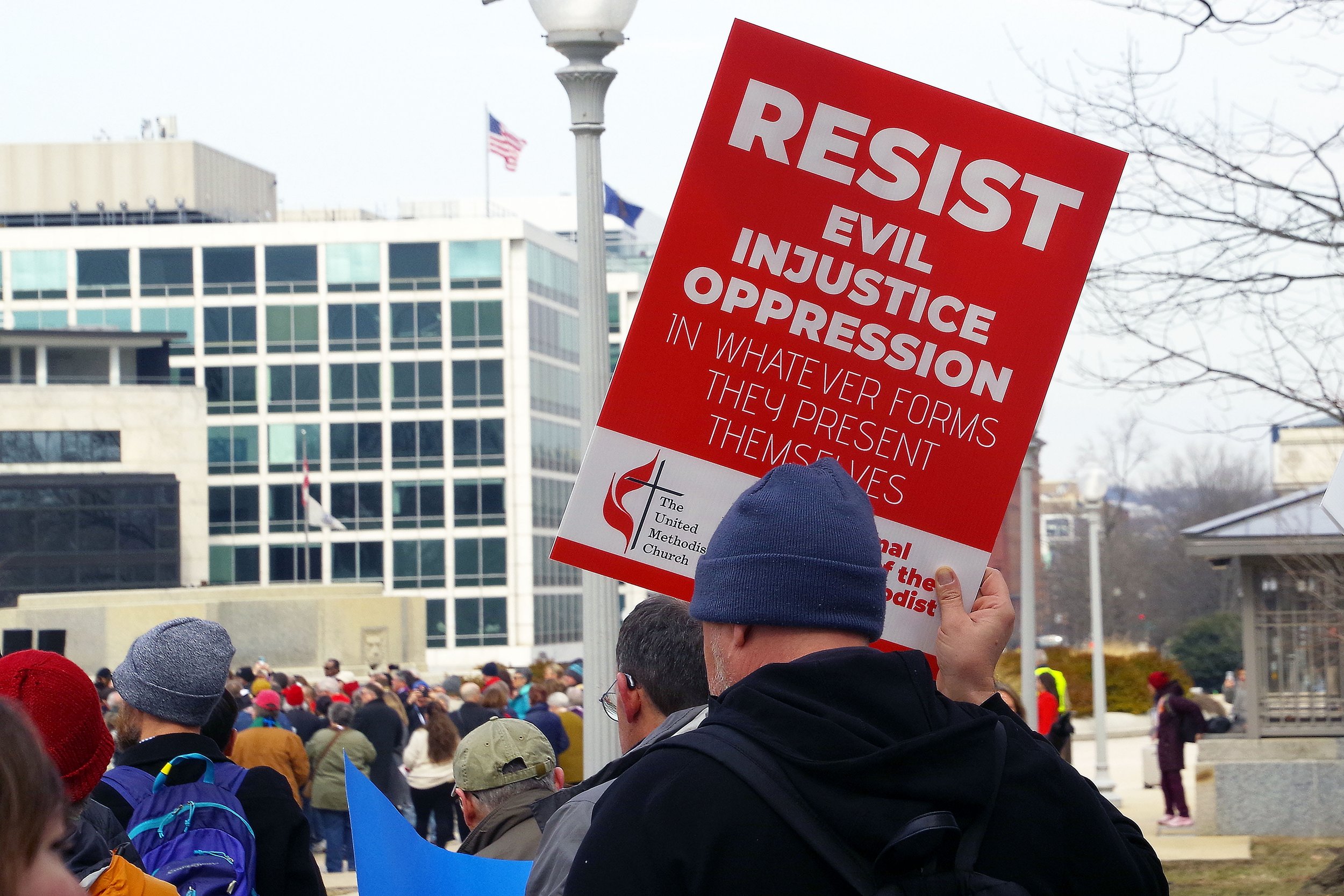
Public theology asks a simple but urgent question:
Where does it hurt, and how does faith speak to the hurt?
Faith that engages the world
Public theology brings theological reflection, faith-based ethics, and pastoral leadership into conversation with the realities shaping our communities.
This program equips clergy to interpret scripture and tradition in ways that speak clearly and responsibly in the public square.
Leadership rooted in faith and community
Participants strengthen their capacity to:

Perceive more deeply

Discern critically and theologically

Collaborate with communities
All for the common good and building of the beloved community.

Program Structure
One year. One cohort. A shared journey.
The initiative is a 12-month cohort-based program designed for 20 Hispanic/Latine clergy leaders.
Learning unfolds through three immersive in person gatherings and a series of virtual sessions throughout the year.
The Format
Three in-person gatherings
Five days each.
Virtual learning modules
Webinars, mentorship, and guided assignments between gatherings.
Leaders called to serve beyond the walls
Who This Is For
The program welcomes clergy who bring cultural depth and public commitment to their ministry.
Cohort participants' eligibility criteria:
Clergy
from the United Methodist Church and other Christian traditions.
Bilingual & Bicultural
leaders with strong English and Spanish communication.
Engaged
in justice, advocacy, and community witness.
The program welcomes participants across race, gender, age, ability, theological perspective, and sexual orientation.
Three movements of formation
What You Will Study

SECTION I: Foundations In Public Theology
-
Intro to Public Theology: Origins of Public Theology, Historical Analysis and the Pastor as a Public Theologian This course examines the origins and development of Public Theology, tracing how the church has understood and exercised its prophetic vocation across diverse social, cultural, and political contexts.
-
Rooted in biblical witness and contextual theologies, particularly Latin American and U.S. Latine liberation traditions, the course explores how faith emerges and endures amid social, political, economic, migration, and cultural adversity.
-
Centering the lived experiences of historically marginalized communities, the course examines how cultural identity, social location, memory, and embodied experience shape theological reflection and faithful action in the world.
SECTION II: Belonging And Cultural Competency
-
This course engages racial justice as a pressing theological and ethical crisis for the church and a core commitment of faithful pastoral practice.
-
Participants will engage theological voices that expose the theological justifications of colonialism while recovering indigenous, Afro-Latine, and religious expressions created through immigration and lived experiences in multi-ethnic communities as vital sources of theological wisdom.
-
The course equips pastoral leaders to engage public life with theological integrity and examine how humility functions not as passivity, but as a disciplined practice of accountability, solidarity, and ethical engagement.
SECTION III: Transformation In The Public Square
-
The course equips pastoral leaders to practice social holiness through justice-centered community engagement and advocacy. It examines models of faith-based community organizing and coalition-building that move beyond charity toward transformative action rooted in dignity, mutuality, and empowerment.
-
This course equips pastoral leaders to understand proclamation as a public, formative, and transformative practice that extends beyond the pulpit into the life of the community, centering liturgy and worship as public theology.
-
Centered on the art of theological reflection as a spiritual practice, this course invites participants to cultivate habits of prayerful listening, critical analysis, and faithful interpretation that shape preaching and public engagement.
Program Timeline
all in person gatherings will take place at Candler School of Theology in Atlanta, GA
2026
In Person Gathering
August 3 – 7
Virtual Sessions
Webinars, mentorship, and guided assignments between gatherings.
2027
In Person Gatherings
January 11 – 15
August 2 – 8 2–8
Virtual Sessions
Webinars, mentorship, and guided assignments between gatherings.
Instructors
-
![]()
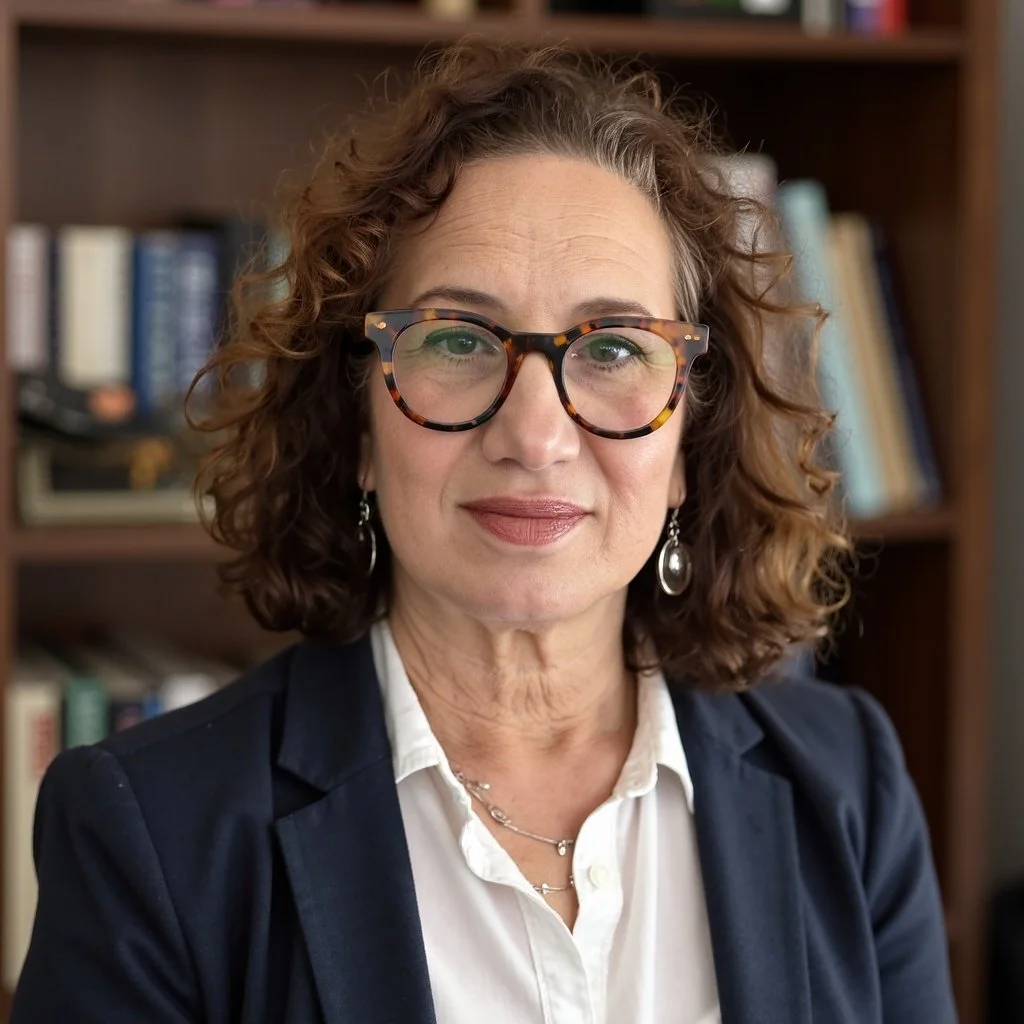
Rev. Dr. Lydia E. Muñoz - Program Director
Currently serving as the executive director of El Plan for Hispanic/Latine Ministry of the United Methodist Church will also serve as the program manager of La Plaza. Rev. Muñoz is an ordained elder in the UMC with over 30 years of experience as a pastor, public theologian, worship leader and activist in the public square. Rev. Muñoz is a graduate of Penn State University, and has an M.Div from Wesley Theological Seminary and D.Min with a concentration in Public Theology from Drew Seminary. The daughter of church planters from Puerto Rico, Lydia has a commitment to the development of principled leaders committed to the Gospel message of Jesus and the expansion of the beloved community.
-
![]()
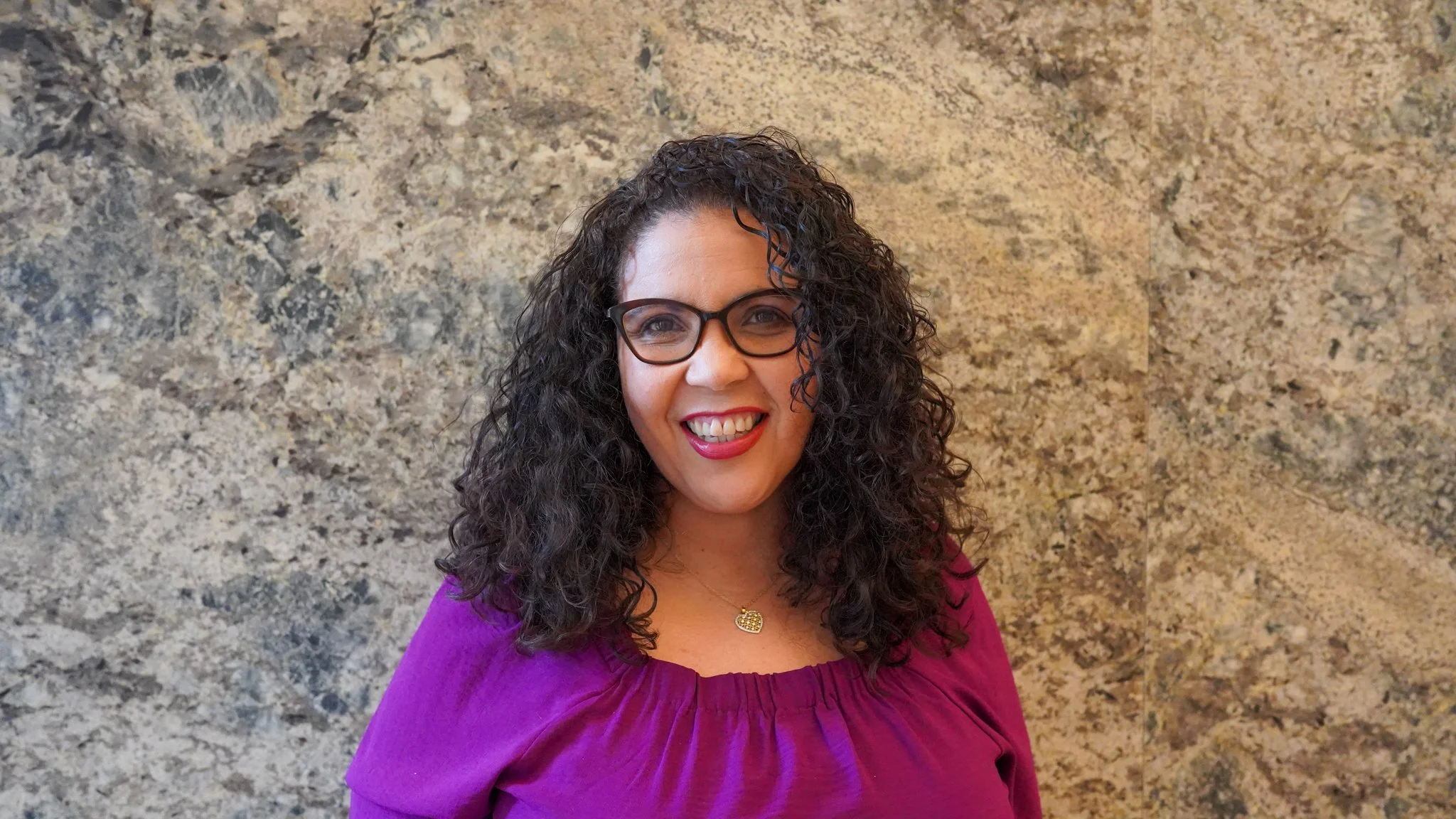
Rev. Dr. Joanne Solis Walker
ASSOCIATE DEAN OF LA MESA ACADEMY FOR THEOLOGICAL STUDIES
-
![]()
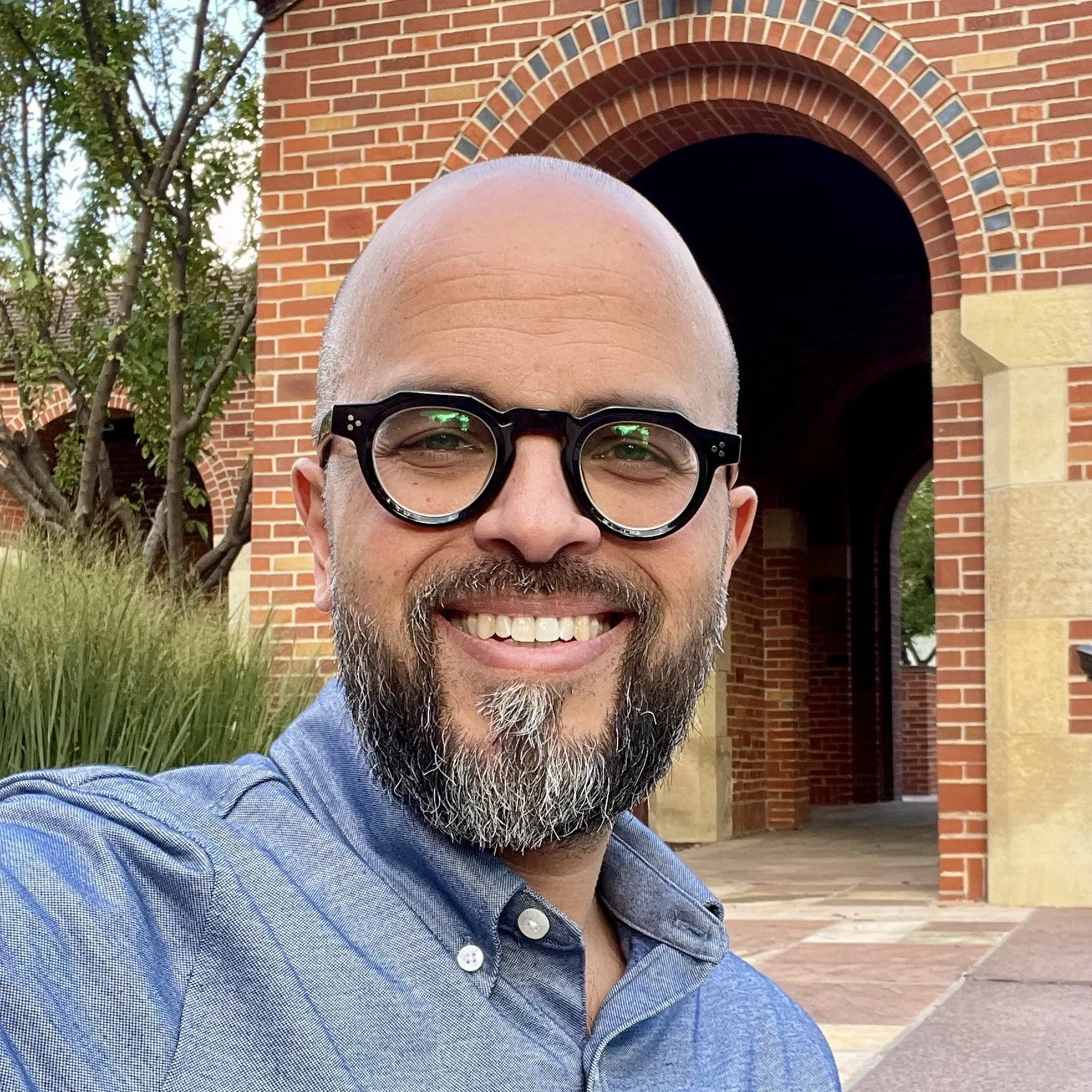
Rev. Dr. Juan Carlos Huerta
Juan Carlos Huertas is the Minister of Proclamation & Practice of Justice at First-Plymouth Congregational Church in Lincoln, NE, and a graduate of Candler School of Theology at Emory University in Atlanta, GA. Before his position at First-Plymouth, Juan Carlos served United Methodist churches throughout the state of Louisiana for sixteen years. A native of Puerto Rico, he is passionate about helping congregations get reconnected to their neighborhoods, about a decolonized church, and about worship that expresses the human need for ritual and spiritual community in the messiness of life.
-
![]()
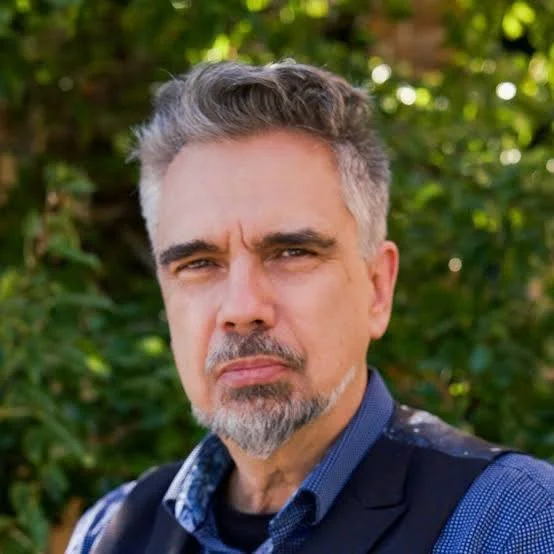
Dr. Miguel de la Torre
Rev. Dr. Miguel A. De La Torre, Professor of Social Ethics and Latinx Studies at the Iliff School of Theology in Denver, Colorado. He has served as the elected 2012 President of the Society of Christian Ethics and served as the Executive Officer for the Society of Race, Ethnicity and Religion (2012-17). Dr. De La Torre is a recognized international Fulbright scholar who has taught courses around the globe. A favorite of El Plan!
-
![]()
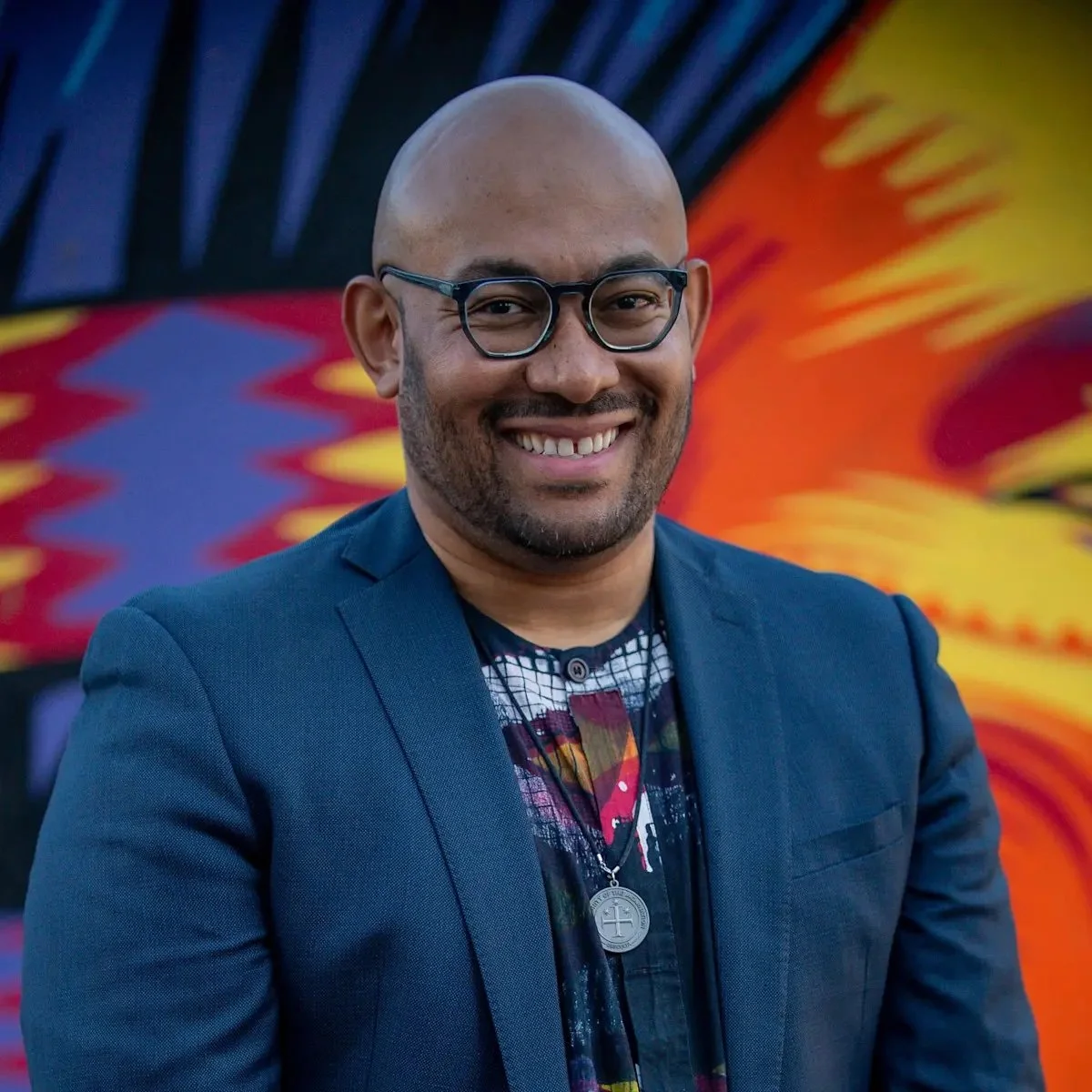
Rev. Dr. Guesnerth Josué Perea
Guesnerth Josue Perea serves as Director of Black Lives and Contemplation for and also as Executive Director of the afrolatin@ forum. He was also the Executive Producer of the documentary "Faith in Blackness". His perspectives on AfroLatinidad and spirituality have been featured in prominent publications such as the New York Times, the New Yorker, and USA Today and his writing has been featured in Sojourners, the Los Angeles Review of Books, and anthologies such as Let Spirit Speak!, Revista de Estudios Colombianos and Engaging Religion. A dedicated Brooklynite, he embodies Biggie's call to spread love the Brooklyn way.
Who Makes This Work Possible
La Plaza is a collaborative initiative of the General Commission on Religion and Race (GCORR) of The United Methodist Church, El Plan for Hispanic/Latine Ministry, and the Candler School of Theology at Emory University. The program integrates Methodist Studies and La Mesa for Theological Studies, creating a shared space for theological reflection, leadership development, and public engagement.
This program is made possible through the National Initiative to Strengthen Hispanic Leadership, supported by the Lilly Endowment Inc.
-
The General Commission on Religion and Race is a ministry of The United Methodist Church that works to challenge and dismantle racism in church and society. GCORR provides leadership development, education, and resources that help congregations and church leaders advance racial justice and build more equitable communities.
-
El Plan for Hispanic/Latine Ministry is a denominational initiative of The United Methodist Church focused on strengthening Hispanic and Latine leadership, congregations, and ministries. It supports clergy and lay leaders through leadership development, theological formation, and initiatives that equip communities for faithful service and mission.
-
Candler School of Theology at Emory University prepares leaders for ministry, scholarship, and service through rigorous theological education. Located in Atlanta, Candler forms pastors and scholars committed to the church’s witness in a diverse and changing world.
-
La Mesa for Theological Studies is an initiative that convenes Hispanic and Latine theologians, pastors, and scholars to strengthen theological reflection, leadership formation, and scholarship rooted in the lived experiences of Latine communities.
-
The National Initiative to Strengthen Hispanic Leadership is a program funded by Lilly Endowment Inc. that supports projects designed to strengthen leadership development, theological education, and ministry within Hispanic and Latine Christian communities.
Lead with clarity. Speak with courage. Serve with purpose.
Join a cohort of pastors preparing to engage faith and public life with theological depth and cultural wisdom.
